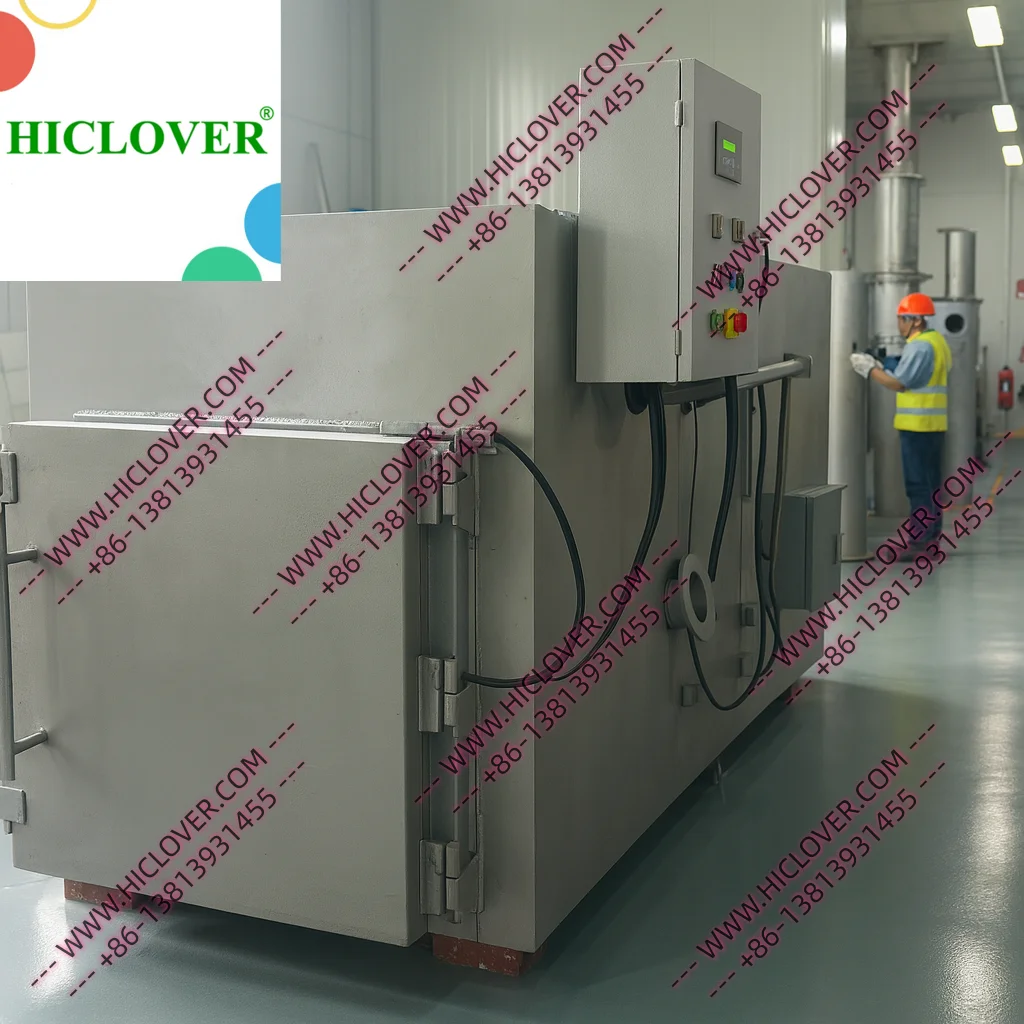
A Technical Compendium on HICLOVER Waste Incinerator Systems: Addressing Global Compliance and Operational Demands
Modern **waste incinerators** are highly engineered thermal destruction systems designed for the sanitary and compliant disposal of diverse waste streams. The selection and specification of these systems demand a thorough understanding of combustion principles, regulatory frameworks, and operational reliability. HICLOVER, a specialized manufacturer with over 16 years of direct engineering experience, produces advanced **waste incinerators** that adhere to stringent international guidelines, including critical **medical waste incinerator operating temperature standards**. These systems typically operate with primary chamber temperatures around 850°C and secondary chamber temperatures exceeding 1100°C to ensure complete destruction of hazardous components. The engineering reliability of these units is paramount for ensuring consistent performance in applications ranging from healthcare facilities to remote industrial sites, providing a critical solution for modern waste management challenges.
What are the fundamental engineering principles and regulatory standards governing modern waste incinerators?
The efficacy and environmental compliance of **waste incinerators** are not arbitrary; they are governed by established principles of thermal-chemical conversion and a matrix of international and regional regulations. For procurement managers and technical decision-makers, understanding these fundamentals is essential for specifying a system that is both effective and legally compliant. The core objective is to achieve maximum destruction and removal efficiency (DRE) of harmful organic compounds and pathogens while minimizing the release of pollutants into the atmosphere. This involves precise control over temperature, residence time, and combustion air, often referred to as the “3 Ts” of combustion: Time, Temperature, and Turbulence. A properly designed system, such as those manufactured by HICLOVER, integrates these principles into its core architecture to meet the challenges of complex waste streams, including those encountered in regions developing robust infrastructure for **Congo china’s waste management** initiatives.
The Role of Dual-Chamber Combustion and High-Temperature Retention
A foundational design feature of modern, compliant **waste incinerators** is the dual-chamber configuration. This design is critical for ensuring complete combustion and the destruction of hazardous emissions. The process begins in the primary combustion chamber, which operates under substoichiometric (starved-air) conditions at temperatures typically between 650°C and 850°C. This controlled, low-oxygen environment facilitates the pyrolysis and gasification of solid waste, converting it into a mixture of combustible gases, ash, and non-combustible materials. This initial stage is designed to minimize the entrainment of particulate matter into the gas stream.
The volatile gases produced in the primary chamber are then directed into a secondary chamber, or afterburner. Here, excess air and auxiliary fuel (if required) are introduced to achieve temperatures of 1000°C to 1200°C or higher. This high-temperature environment, combined with a legally mandated gas retention time—often a minimum of two seconds—ensures the complete thermal oxidation of harmful pollutants. This includes the destruction of persistent organic pollutants (POPs) like dioxins and furans, which can form at lower temperatures. The extended retention at high temperature is the single most critical factor in achieving smokeless, odor-free emissions and complying with stringent environmental standards. HICLOVER engineers its systems to guarantee this retention time, a non-negotiable feature for applications like medical waste disposal or the operation of a **Uganda domestic incinerator** serving community health centers.
Adherence to International Emission Standards (WHO, EU Frameworks)
The design and operation of **waste incinerators** are heavily influenced by global and national environmental regulations. Among the most widely referenced are the guidelines set forth by the World Health Organization (WHO) for the disposal of healthcare waste and the European Union’s Industrial Emissions Directive (IED). These frameworks set strict limit values for pollutants such as particulate matter (PM), hydrogen chloride (HCl), sulfur dioxide (SO2), nitrogen oxides (NOx), carbon monoxide (CO), and heavy metals.
HICLOVER systems are engineered from the ground up with these standards in mind. For example, the WHO recommends specific operating conditions for the incineration of medical waste, including the dual-chamber, high-temperature model described above. As a leading **medical waste incinerator china**-based manufacturer with a global footprint, HICLOVER ensures its equipment can be configured to meet or exceed these requirements. This may involve the integration of sophisticated flue gas treatment systems, such as dry or wet scrubbers, to neutralize acid gases and capture fine particulates. This commitment to compliance is a key differentiator, providing clients with the assurance that their investment will meet both current and future regulatory pressures, a growing concern driven by global ESG (Environmental, Social, and Governance) compliance trends.
Core Combustion Principles and Thermal Destruction Efficiency
Achieving a high Destruction and Removal Efficiency (DRE), often required to be 99.99% or greater for hazardous components, relies on the masterful application of combustion engineering. Turbulence, the third of the “3 Ts,” is engineered into the secondary chamber to ensure thorough mixing of the combustible gases with oxygen and heat, eliminating pockets of unburned gas. This is often achieved through the strategic placement of air injection nozzles and the chamber’s internal geometry. The fuel source for these burners—options typically include diesel, natural gas, or LPG—is selected based on site availability and economic factors.
The technical specifications of HICLOVER **waste incinerators** are a direct reflection of these principles. The refractory lining, composed of high-alumina bricks and ceramic insulation, is designed to withstand extreme thermal cycling while minimizing heat loss, thereby improving fuel efficiency. The programming of the PLC (Programmable Logic Controller) automates the entire combustion cycle, ensuring that optimal temperatures and air ratios are maintained without the need for constant manual intervention. Complete technical datasheets and project consultations are available to help clients understand these intricate details; you can request more information at [https://www.hiclover.com/](www.hiclover.com/) for a comprehensive engineering review. This level of process control is what separates industrial-grade equipment from lower-specification alternatives and is vital for ensuring long-term operational success.
How do different HICLOVER incinerator configurations address specific operational and site-based challenges?
The “one-size-fits-all” approach is obsolete in the modern waste management landscape. Operational requirements are dictated by waste type, volume, site location, and available infrastructure. Recognizing this, HICLOVER has developed a range of configurations, from large-scale fixed installations to highly mobile containerized units. This flexibility allows procurement managers to specify a solution precisely tailored to their needs, whether for a permanent urban hospital or a temporary humanitarian aid camp. The choice of configuration has significant implications for capital expenditure, operational logistics, and long-term expandability. As leading **Equatorial Guinea incinerator manufacturers** and suppliers to other developing regions, the ability to provide versatile and robust solutions is a core competency.
Fixed vs. Containerized Mobile Systems: A Comparative Analysis
Fixed, or stationary, **waste incinerators** are permanent installations designed for

Comments are closed