Engineering and Application Analysis of HICLOVER Waste Incinerator Systems
The thermal destruction of hazardous and non-hazardous materials through high-temperature oxidation is a cornerstone of modern waste management. High-performance waste incinerators provide a definitive and sanitary disposal solution, particularly for materials that cannot be recycled or landfilled safely. The efficacy of these systems is fundamentally dependent on engineering reliability and strict adherence to established operational parameters, such as medical incinerator operating temperature standards, which dictate the conditions necessary for complete combustion and pollutant destruction. HICLOVER has engineered its thermal oxidation systems to operate within a precise temperature range, typically from 850°C to over 1200°C, ensuring compliance with global environmental regulations. As a manufacturer with deep engineering experience, HICLOVER delivers robust systems, including specialized units like the incinerador m dico, designed for high-stress applications in medical, industrial, and municipal sectors. The engineering framework behind these waste incinerators ensures the complete destruction of pathogens and hazardous organic compounds, transforming volatile waste streams into inert ash.
Core Engineering Principles and Regulatory Compliance
The design and operation of modern waste incinerators are governed by stringent engineering principles focused on maximizing destruction efficiency while minimizing environmental impact. Compliance with international standards, such as those outlined by the World Health Organization (WHO) and European Union (EU) emission frameworks, is not optional but a core design requirement. HICLOVER integrates these principles directly into its manufacturing process, ensuring that each system provides a certifiable solution for responsible waste disposal. This focus on compliance is critical for organizations navigating complex regulatory landscapes and seeking to uphold ESG (Environmental, Social, and Governance) commitments, particularly under increasing pressure for carbon emission reduction. The advanced engineering of these systems addresses both operational performance and environmental stewardship through a multi-faceted approach to combustion and emission control.
Dual-Chamber Combustion Technology
A fundamental design feature of HICLOVER waste incinerators is the dual-chamber combustion system. This architecture is essential for achieving the complete destruction of complex waste materials and associated pollutants.
- Primary Combustion Chamber: This chamber operates at temperatures around 850°C. Its primary function is the pyrolysis and gasification of solid waste. In this oxygen-starved environment, waste is thermally decomposed into a mixture of combustible gases (syngas) and solid residue (ash). The controlled introduction of air ensures a slow, stable combustion process, preventing the rapid release of particulate matter into the secondary chamber.
- Secondary Combustion Chamber (Afterburner): The gases produced in the primary chamber are directed into the secondary chamber, which operates at much higher temperatures, typically exceeding 1100°C. Here, an excess of oxygen and a dedicated burner ensure the complete oxidation of volatile organic compounds (VOCs), carbon monoxide, and hazardous compounds like dioxins and furans. A critical engineering parameter is the gas retention time, which is maintained for a minimum of two seconds to guarantee the full thermal breakdown of these pollutants, a standard stipulated by most international environmental agencies.
This two-stage process ensures that the final emissions are significantly cleaner than what could be achieved with a single-chamber design, making it the standard for processing medical, hazardous, and general solid waste.
Emission Control Systems: Wet vs. Dry Scrubbers
Post-combustion flue gas treatment is a critical stage in ensuring environmental compliance. HICLOVER offers configurable emission control systems to meet specific regulatory requirements and client needs. The choice between a wet and a dry scrubber depends on the waste composition, local emission limits, and operational context.
- Wet Scrubbers: These systems pass the hot flue gas through a liquid medium, typically a water-based solution with neutralizing agents. This process effectively “scrubs” the gas, removing acidic components like hydrogen chloride (HCl) and sulfur oxides (SOx), as well as fine particulate matter. Wet scrubbers are highly efficient but produce a liquid effluent that requires treatment before discharge.
- Dry Scrubbers: In a dry or semi-dry system, a powdered alkaline reagent (such as hydrated lime or sodium bicarbonate) is injected directly into the flue gas stream. The reagent neutralizes acidic gases, and the resulting solid particles are captured in a downstream filtration unit, such as a baghouse filter. Dry scrubbers avoid the creation of liquid effluent, simplifying on-site waste management, which can be a significant advantage in water-scarce regions or for mobile applications.
As a manufacturer, HICLOVER provides expert guidance on selecting the appropriate scrubbing technology to balance performance, operational cost, and regulatory adherence for its waste incinerators.
System Design, Customization, and Deployment Models
The practical application of waste incinerators demands flexibility in design and deployment to meet diverse operational challenges. From remote industrial sites to urban healthcare facilities, the physical footprint, installation requirements, and control mechanisms must be adaptable. HICLOVER’s position as a factory-direct manufacturer, not a trading company, provides significant advantages in this regard. With over 16 years of engineering experience, the company maintains a stable supply chain and in-house manufacturing capabilities, allowing for deep customization and ensuring long-term parts availability and support. This direct model translates to greater value and reliability for the end-user, addressing the market’s need for a low-cost medical waste incinerator solution that does not compromise on quality or compliance.
Fixed vs. Containerized Mobile Systems
The choice between a fixed and a mobile incineration system is a key strategic decision for procurement managers. HICLOVER manufactures both configurations to serve different logistical and operational needs.
- Fixed Installations: These are permanent systems designed for long-term, high-volume waste processing at a single location, such as a large hospital, a central municipal waste facility, or an industrial plant. They are typically larger in capacity and integrated into the facility’s infrastructure.
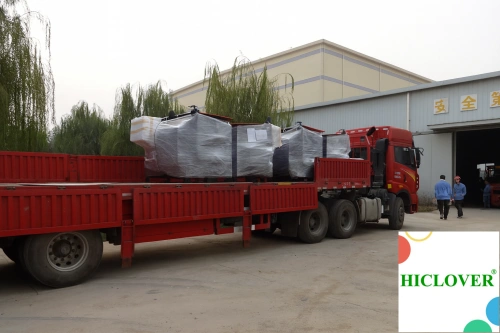
- Containerized Mobile Systems: HICLOVER’s containerized waste incinerators represent a major advancement in deployable waste management technology. These systems are fully assembled and pre-tested within a standard ISO shipping container. This “plug-and-play” design offers unparalleled advantages for certain applications. The simplified process for Incinerator shipping and rapid on-site commissioning makes them ideal for crisis zones, humanitarian camps, remote mining and oil exploration sites, and military bases. This trend toward decentralized waste management enhances operational resilience and is a critical component of global infectious disease preparedness strategies.
The mobile modular design minimizes civil engineering works and installation time, offering a swift response to emergent waste disposal needs anywhere in the world.
Control Systems and Automation
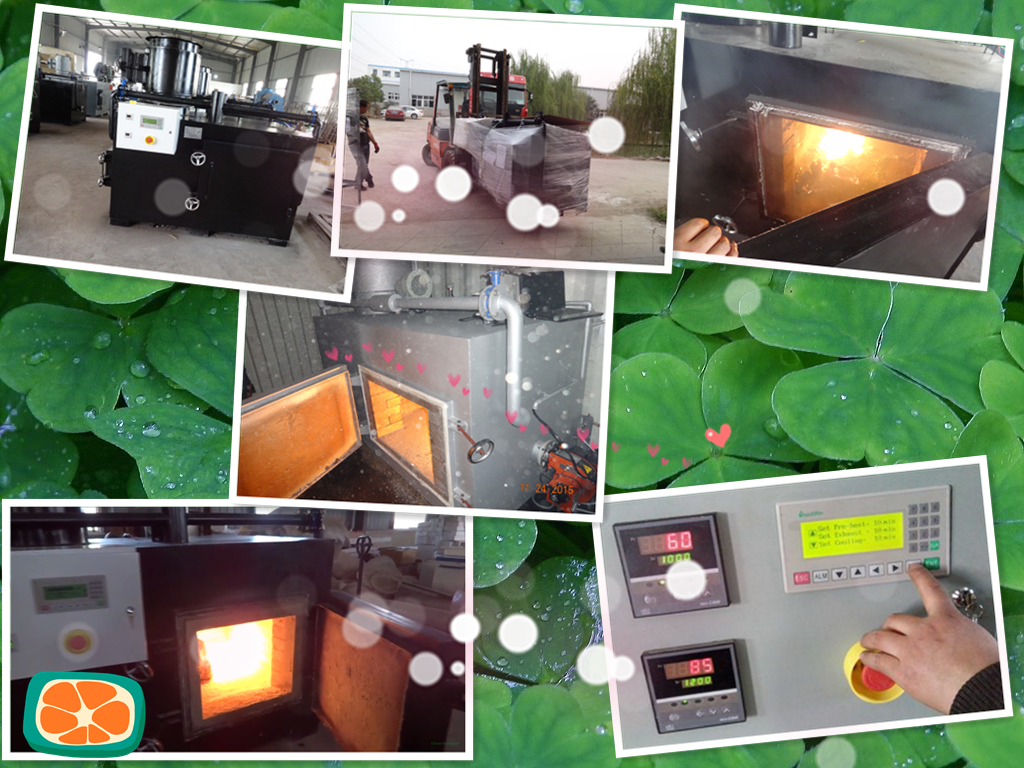
<

Comments are closed