
HICLOVER Waste Incinerators: Technical Solutions for Laboratory, Char Production, and Health-Critical Applications
How Do HICLOVER Incinerators Convert Waste to Char While Ensuring Environmental Compliance?
Incinerator for Waste to Char systems require precise temperature control between 400°C and 600°C in the primary chamber to achieve pyrolysis rather than complete combustion. HICLOVER’s dual-chamber design maintains these conditions while meeting EU emission frameworks through integrated dry scrubbers. The secondary chamber operates at 850°C+ to destroy any residual volatiles, with heat recovery options converting excess energy into usable thermal output.
Key technical specifications include:
- PLC-controlled air intake dampers regulating oxygen levels below 5% for optimal char yield
- Retention time exceeding 2 seconds in secondary chamber per WHO standards
- Modular designs from 50kg/hr to 500kg/hr capacity
What Makes HICLOVER’s Approach Different for Char Production?
Unlike conventional waste incinerators, HICLOVER systems employ Italian-made burners with 10-stage modulation, allowing precise temperature gradients. The containerized mobile option suits remote agricultural operations, aligning with decentralized waste management trends. Factory-direct manufacturing ensures all welds meet ASME Section IX standards for pressure integrity during prolonged pyrolysis cycles.
How Are HICLOVER Incinerators Engineered to Protect Human Health?
The Incinerator for Waste to Human Health category demands compliance with both biological safety and particulate emission standards. HICLOVER’s medical-grade units achieve 99.99% pathogen destruction through:
- Primary chamber temperatures of 800°C±50°C maintained for 45 minutes minimum
- Secondary chamber operation at 1100°C with turbulent flow design
- Optional wet scrubber systems reducing HCl emissions below 10mg/Nm³
Recent upgrades incorporate auto roll air filters capturing 0.3μm particulates, critical for handling cytotoxic drugs and prion-contaminated waste. The PLC interface logs all temperature profiles for regulatory audits, addressing ESG compliance requirements in healthcare facilities.
What Technical Safeguards Prevent Operator Exposure?
Negative pressure airlocks and automated loading systems minimize human contact with untreated waste. HICLOVER’s engineering team specifies 316L stainless steel for all internal surfaces contacting infectious materials, resisting chloride-induced stress corrosion cracking common in coastal hospitals.
What Technical Specifications Govern Laboratory Waste Incineration?
For Incinerator for Laboratory Waste applications, HICLOVER systems exceed EPA 40 CFR Part 60 Subpart Ec standards with:
- Dual redundant temperature sensors (Type K thermocouples with ±1.5°C accuracy)
- Emergency quench systems for halogenated compound incidents
- Multi-fuel capability (LPG/diesel/natural gas) ensuring operation during utility disruptions
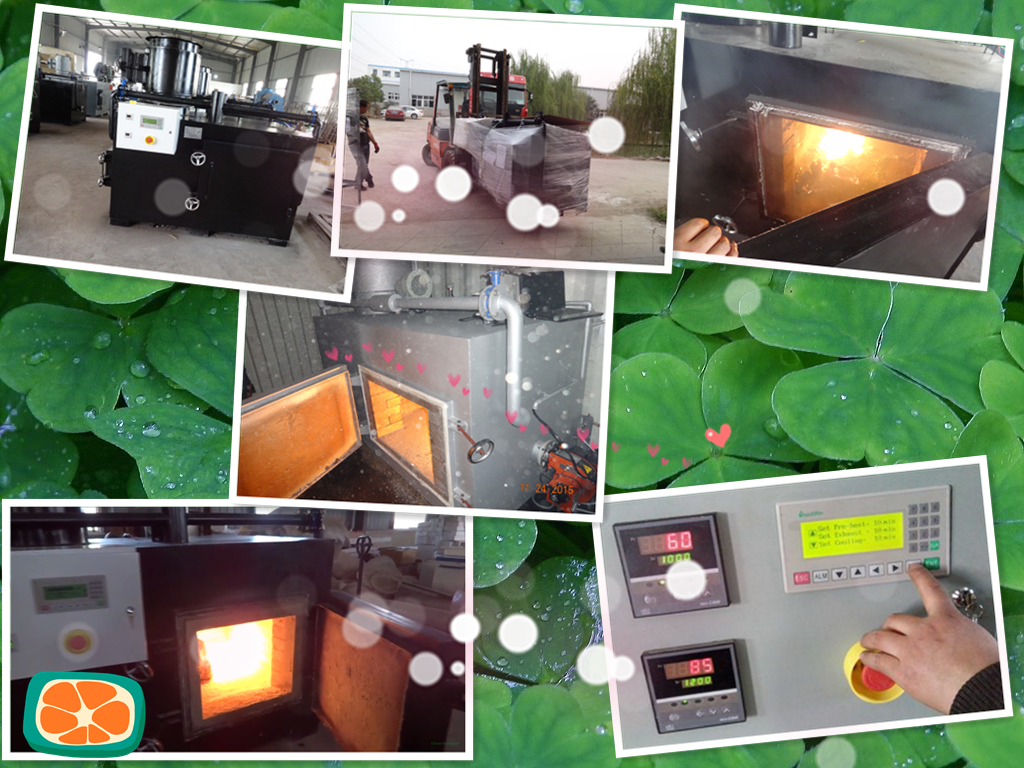
The top-loading design accommodates bulky lab equipment while maintaining high temperature retention through ceramic fiber insulation. Remote monitoring via 4G enables off-site supervision—a critical feature for pharmaceutical research facilities handling Schedule 1 controlled substances.
How Does the Containerized Mobile Option Serve Field Laboratories?
HICLOVER’s 20ft ISO-container units integrate:
- Self-contained power generation (optional solar hybrid)
- Waste heat recovery for adjacent decontamination showers
- Quick-connect flue stacks meeting crisis zones deployment protocols
What Operational Advantages Do HICLOVER Incinerators Offer Industrial Users?
Beyond technical specifications, HICLOVER’s factory direct supply model provides:
- Customizable chamber volumes from 0.5m³ to 12m³
- On-site training covering WHO/BMZ safety protocols
- Global export documentation including CE, ISO 14001, and country-specific certifications
The PLC automation system features multi-language interfaces and automatic ash removal cycles, reducing labor costs by up to 40% compared to manual units. For mining camps and offshore platforms, the plug-and-play design achieves full operational status within 8 hours of delivery.
How Does the Supply Chain Resilience Benefit Global Partners?
With 16 years of engineering experience, HICLOVER maintains dual-source procurement for critical components like refractory bricks and control valves. This ensures consistent lead times of 6-8 weeks even during raw material shortages, a key consideration for transactional buyers establishing long-term waste management infrastructure.

Comments are closed