Engineering Excellence in HICLOVER Waste Incinerator Technology for Global Waste Management
Overview of Advanced Waste Incineration Technologies
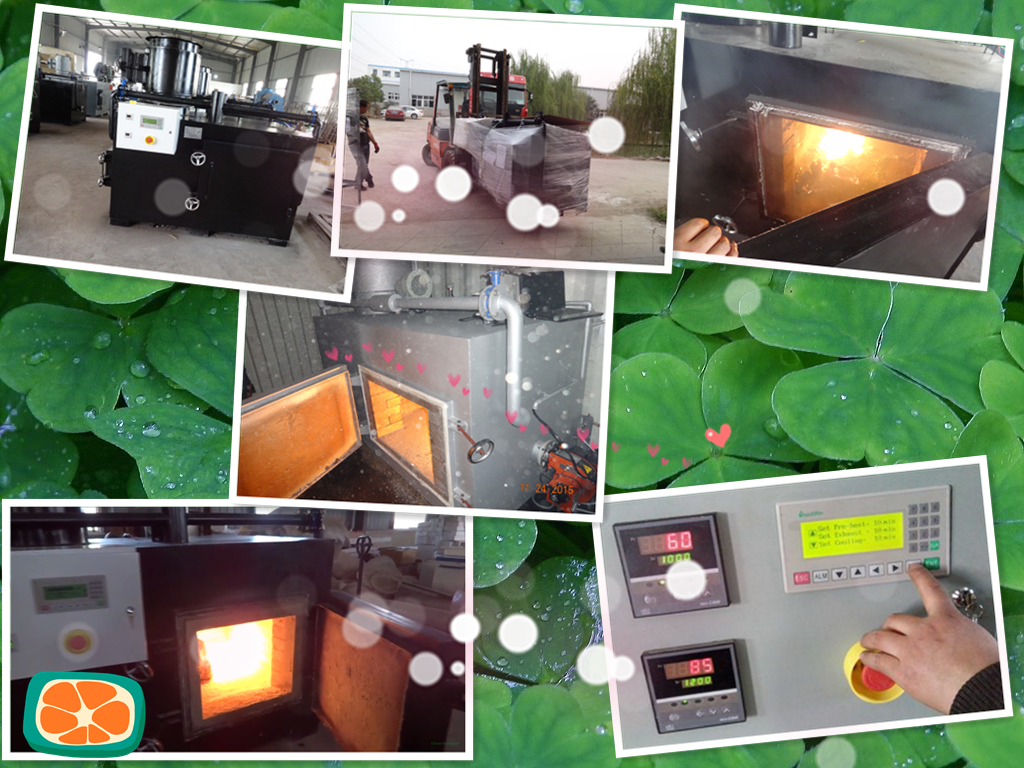
The HICLOVER waste incinerator stands as a benchmark in the industry, integrating advanced engineering reliability and adherence to international industrial standards. At the outset, it is crucial to acknowledge that the system functions as an incinerator for waste to energy incinerator while meeting critical criteria such as medical incinerator operating temperature standards within the prescribed temperature range of 850°C to 1200°C. This temperature range ensures effective thermal destruction of hazardous material and supports efficient incineration processes, demonstrating robust engineering practices. The technological precision in HICLOVER waste incinerators is evidenced by the incorporation of dual chamber designs that secure optimum combustion efficiency. Furthermore, the operational framework is heavily inspired by international norms laid out by entities like the WHO and the EU emission frameworks. The system’s design parameters ensure compliance not only with the rigorous guidelines for clinical waste but also with standards dictating high-temperature retention. The integration of a state-of-the-art PLC automation system guarantees that every phase of the incineration process is carefully monitored and adjusted, rendering the incinerator incineration process both reliable and efficient.
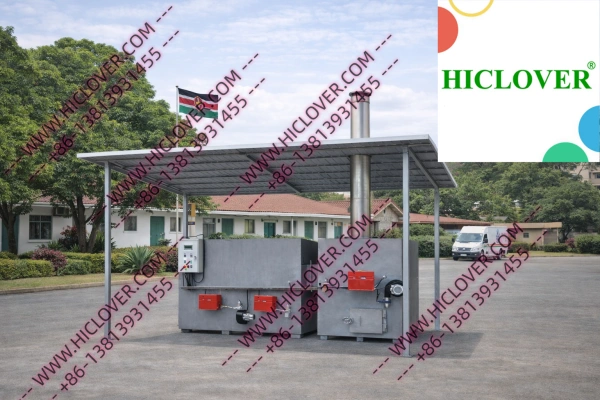
Additionally, the facility’s design integrates a mobile plug-and-play concept and containerized modular systems, proving its adaptability to various remote mining/oil camps, decentralized waste management scenarios, and crisis zones & humanitarian camps. The HICLOVER waste incinerator is carefully configured to handle multiple fuels including diesel, LPG, and natural gas, and can be specifically customized for specialized applications such as the disposal of sharps waste. Governments and regulatory bodies benefit from a system that prioritizes safety while offering a sustainable solution to a pressing global waste management challenge.
Technical Standards and Engineering Reliability
HICLOVER waste incinerators are engineered to meet stringent international industrial standards, including clear benchmarks for combustion principles and technical temperature metrics. The design incorporates incinerator incineration protocols that use dual combustion chambers, ensuring that the initial and secondary combustion processes both contribute to peak thermal efficiency. The chambers are purpose-built to guarantee high temperature retention, critical to the disruption of hazardous compounds. Especially with the focus on medical and biohazard waste, adherence to medical incinerator operating temperature standards plays a vital role in minimizing secondary pollution.
The technical parameters involve a controlled reaction that integrates an advanced PLC system, ensuring precise regulation of operational conditions. The integration of PLC automation within the incinerator’s mechanisms significantly reduces errors compared to traditional manual control and offers real-time performance data. A noteworthy feature is the incorporation of either wet scrubber or dry scrubber systems to comprehensively manage gaseous by-products of incineration. These scrubber options play a vital role in reducing harmful emissions in accordance with ESG compliance measures, a critical demand for modern waste management systems.
A detailed analysis of combustion involves the calibration of burner systems and controlled fuel feedings; as a result, HICLOVER waste incinerators can consistently maintain the required temperature and thermal dynamics. Technical experts often refer to resources such as medical+incinerator+secondary+chamber+temperature+standard for additional insights, while HICLOVER’s own engineering experience reinforces the systems’ credibility in every stage of operation. Additionally, compliance with international regulatory references including those from WHO and EU frameworks assures that critical standards such as emissions control, high temperature retention, and dual chamber functionality are consistently met.
The engineering reliability is further endorsed by extensive research and development that fortifies the components used in these waste incinerators. Each unit is constructed using robust materials capable of resisting the high temperatures and abrasive conditions experienced during operation. Quality control protocols ensure that every batch leaving the factory is in full compliance with global industrial and environmental standards, making them not only effective but also sustainable in the long term.
Application and Design Features in Modern Incineration
Design considerations in modern incineration systems have led to substantial improvements in operational efficiency and environmental safety. The HICLOVER waste incinerator has been optimized for a broad spectrum of applications, from municipal waste management to specialized incineration for sharps waste handling. Remarkably, its modular construction and containerized design facilitate streamlined integration into remote areas, such as crisis zones & humanitarian camps, and decentralized waste management facilities.
The technology behind the evolution of the incinerator is rooted in an in-depth understanding of combustion dynamics, where the dual combustion chamber design separates primary and secondary combustion phases. This ensures that all combustible components are efficiently burned, dramatically reducing the likelihood of uncombusted particulates. The system’s control is leveraged by a state-of-the-art PLC automation that underpins a mobile plug-and-play design. The integration offers not only operational flexibility but also substantially reduces downtime associated with conventional incineration techniques.
Moreover, the incinerator is engineered to function as both an incinerator for waste to energy incinerator and a specialized unit for treating clinical waste. Its design encapsulates the best practices of modern energy recovery systems, enabling effective heat recovery, which in turn can be channeled to produce energy. The setup drastically improves overall efficiency while contributing towards global carbon emission reduction pressure initiatives. In regards to environmental compliance, both PLC-controlled elements and automated scrubber systems are integral in maintaining low levels of harmful emissions, thereby adhering to rigorous EU and WHO standards.
The advantages of the factory manufacturing capability come to light as HICLOVER waste incinerators are produced with consistent quality and are customizable to meet varying chamber volumes dictated by project specifications. The predictable engineering reliability, bolstered by an advanced supply chain, assures government bodies and regulatory agencies of timely deployment and sustained market performance. For more detailed technical specifications and support, visit HICLOVER to review comprehensive product data and certification details.
Regulatory Compliance, Sustainability, and Global Trends
Against the backdrop of increasing global infectious disease preparedness and stringent environmental standards, the role of advanced waste incineration systems is more critical than ever. HICLOVER waste incinerators are developed in strict compliance with global regulatory references including established WHO guidelines and EU emission frameworks. The dual chamber operation, regulated temperature retention, and the integration of selective scrubber technologies ensure that all emissions remain within acceptable limits. The facility’s emphasis on effective combustion directly impacts the incineration of biohazard and medical waste, paving the way for systems that acknowledge sustainability without sacrificing performance.
A significant trend in the sector is the move towards digital automation in industrial equipment. By employing advanced PLC systems in the incinerator design, HICLOVER systems enhance reliability and facilitate remote monitoring—a factor critical in decentralized waste management, especially in remote mining/oil camps. The ability to operate these systems via remote diagnostics and control not only saves resources but also elevates safety standards. Furthermore, the systems’ capacity to use multiple fuels contributes to operational versatility across different geographical regions and industrial applications.
Sustainability is also addressed through the incorporation of energy recovery systems that capture residual heat, thereby mitigating costs and contributing towards carbon emission reduction pressure. Additionally, effective waste management through incinerator for sharps waste ensures that hazardous waste is disposed of without detrimental environmental impact. Global markets continuously observe these developments, driving supply chain resilience and reinforcing ESG compliance mandates. In regions where waste management presents both environmental and logistical challenges, HICLOVER waste incinerators offer a reliable method of consolidating waste treatment with energy recovery, thus meeting both sustainability and regulatory demands.
From an international perspective, the adoption of these technologies in crisis zones & humanitarian camps and remote communities highlights the widespread benefits of modern waste incineration systems. The focus on adaptability, especially with containerized modular systems, ensures efficient deployment wherever needed. Local governments can be reassured by the stable supply chain and continuous factory manufacturing capabilities that are intrinsic to HICLOVER’s operational excellence.
Comparative Analysis and Supply Chain Advantages in HICLOVER Systems
When assessing waste management solutions, comparative analyses often focus on the nuanced differences between fixed and containerized incinerator types. HICLOVER’s approach of integrating containerized modular systems with advanced PLC automation positions it favorably against traditional models. For instance, while fixed incinerators provide consistent performance, containerized systems offer the flexibility needed for mobile and remote site applications. This flexibility is essential for servicing decentralized waste treatment needs in crisis zones & humanitarian camps, where adaptability and speed are paramount.
In addition to system configuration differences, the choice between dry scrubbers and wet scrubbers is a critical design consideration. Both designs offer distinct advantages in managing gaseous emissions. Dry scrubbers provide simplified operation with lower water usage, whereas wet scrubbers excel in handling highly acidic emissions. HICLOVER waste incinerators are designed with the option to integrate either system based on site-specific operational requirements. This customization is underpinned by the engineering experience derived from decades of dedicated research and continuous improvements. The result is a platform that not only meets rigorous industrial standards but also exceeds customer expectations in terms of environmental accountability and operational fidelity.
The overall production process benefits greatly from factory direct supply and a robust, transparent supply chain. This minimizes delays and ensures that every incinerator delivered is of the highest quality. Engineering specialists highlight that the choice of a mobile modular design mitigates logistic issues associated with remote industrial enforcement. When governments and regulatory bodies assess infrastructure investments, the assurance of stable factory manufacturing capability and consistent engineering performance holds significant value. In practice, the HICLOVER waste incinerator offers customization options such as adjustable chamber volumes to suit varying waste throughput requirements, from routine municipal waste to specialized incinerator for sharps waste projects.
Moreover, the seamless integration of multi-fuel options (diesel, LPG, natural gas) emphasizes a forward-thinking design that embraces energy recovery systems. These systems contribute not only to operational efficiency but also bolster carbon emission reduction efforts—a fundamental target amid increasing global environmental scrutiny. The precise control provided by PLC automation, coupled with remote monitoring capabilities, places the HICLOVER system at the forefront of digital automation in industrial equipment. These features address the evolving needs of waste management in both urban and isolated locales, thereby reinforcing a sustainable and resilient supply chain.
In an era where supply chain resilience has become as critical as operational efficacy, HICLOVER’s unwavering commitment to engineering excellence and continuous innovation stands as a model in the waste management industry. Decision-makers are provided with a transparent picture of performance, reliability, and regulatory adherence that is essential in today’s volatile markets.
Conclusion of Advanced Engineering and Market Positioning
The HICLOVER waste incinerator represents the convergence of decades of engineering experience, sophisticated automation, and strategic design innovations. Its adaptability to both fixed and containerized applications ensures that the systems remain viable in diverse conditions—from high-density urban centers to remote mining/oil camps and crisis zones & humanitarian camps. The technical integrity of the designs is maintained by rigorous adherence to global industrial standards, including comprehensive temperature controls and combustion principles.
Government officials and regulatory bodies are offered a system that meets the multifaceted demands of modern waste management while delivering energy recovery solutions that align with carbon emission reduction strategies. The engineering approach, which takes into account elements of remote site suitability and the benefits of multi-fuel capabilities, further solidifies the position of HICLOVER as a leader in the arena of reliable waste incinerators.
Through stable factory manufacturing and a robust supply chain, HICLOVER distinguishes itself from traditional trading companies by offering customizable, high-performance incineration solutions. These systems demonstrate not only technical adherence to incinerator incineration best practices but also practical versatility as an incinerator for sharps waste and other specialized applications. Advanced waste management approaches, paired with modern digital control systems, ensure that the incineration process is both safe and efficient. Consequently, modern waste disposal challenges are met head-on with technologies that assure sustained industrial performance and environmental responsibility.

Comments are closed